Exhibition stand design, and the visitor experience that comes with it, has changed enormously over the years, mirroring advances in technology and shifts in how people behave. Exhibition stands are no longer just about eye-catching visuals and handing out leaflets. They've become dynamic, interactive spaces built around immersive brand storytelling, engaging tools and a strong strategy before and after the event. At NeosCreative we've designed and built stands for more than 25 years, and we've seen this change first-hand. Here's how past practices laid the groundwork, how current trends are reshaping exhibition floors, and what the future holds.
In short
- Past: heavy, static stands built for presentation, with paper-based lead capture and slow, manual follow-up.
- Present: lightweight, modular and bespoke stands built around brand storytelling, interactive technology and data-driven follow-up.
- Future: immersive, personalised and sustainable stands that blend physical and digital, using AI, AR, VR and sensory design.
- What hasn't changed: the best stands still start with a clear brand and a clear reason for visitors to stop.

Past: the bedrock of traditional exhibitions
Objectives and design
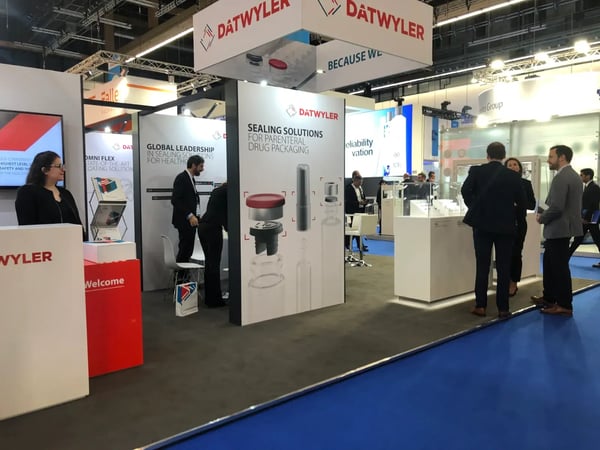
In the past, exhibition stands were mostly about function over form, with heavy materials and a utilitarian approach. The goal was simple: to show products and services as directly as possible. Flexibility and portability weren't priorities, and designs often relied on static imagery and bulky, one-size-fits-all components.
Engagement and brand storytelling
The traditional stand was less about engagement and more about presentation. Brand storytelling was largely one-dimensional, relying on face-to-face conversations and basic presentations. Audio-visual equipment, if used at all, was rudimentary: think overhead projectors and VHS tapes. The pitch was direct, often involving a salesperson explaining the benefits of products displayed on plinths or behind glass.
Pre-event preparation and engagement tools
Pre-event preparation was largely logistical, focused on the physical set-up and transporting materials. Engagement tools were simple: brochures, flyers and business cards were the main ways of sharing information. There was little pre-event marketing, with most effort going into maximising footfall on the day.
Post-event follow-up
Follow-up was straightforward and manual. Data collection usually meant gathering business cards or filling in paper forms, which made post-event contact slow. The value of staying in touch after the show was recognised, but there was no easy way to maintain communication or measure ROI properly.
The problems with traditional follow-up
- Manual processes: Every task was done by hand. That took more resources, more time and introduced more errors. Hours spent managing databases and contacting each attendee individually could have gone into more strategic work.
- Slow responses: Manual processes often delayed follow-up, and delays meant missed opportunities.
- No segmentation: Leads weren't sorted by interest or by how engaged they'd been at the event, so follow-up messages were generic and impersonal.
- Difficulty scheduling meetings: Without a quick way to book follow-up meetings, momentum was lost, along with chances for deeper discussions and potential partnerships.
- Poor feedback capture: Traditional methods didn't make good use of attendee feedback to improve future events, and paper feedback forms were often incomplete.
- Limited long-term engagement: The focus was on immediate next steps rather than building lasting relationships beyond the event.
Present: the age of brand experiences
Design innovation and customisation
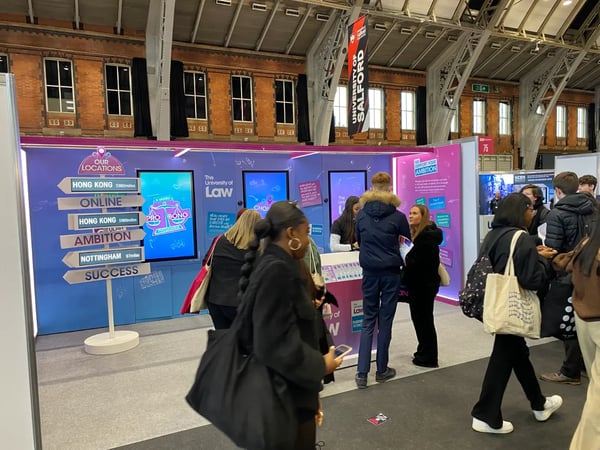
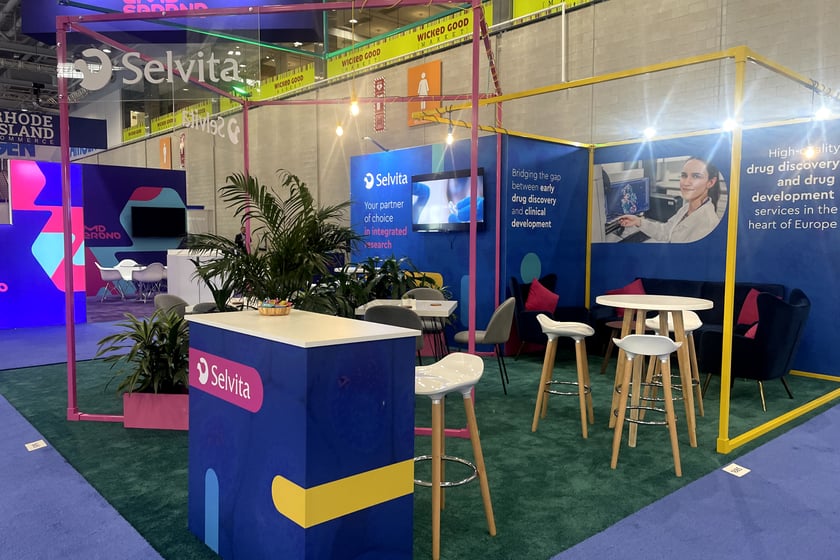
Today, exhibition stand design is driven by innovation, customisation and sustainability. Lightweight materials, modular systems and integrated technology have become standard. Aesthetics have changed too, with bespoke designs that tell a brand's story, create a distinctive atmosphere and connect with the target audience.
Interactive storytelling and engagement
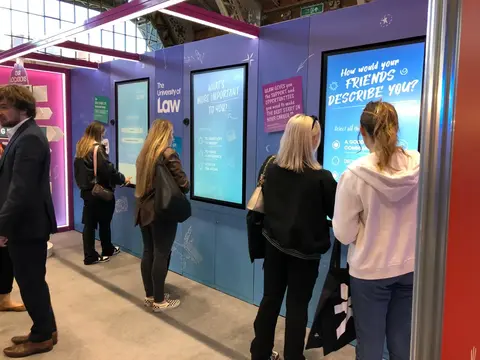
The narrative is no longer linear. Interactive touchpoints such as VR experiences, digital kiosks, games and social media integrations invite visitors to engage with a brand on several levels. Through storytelling, companies take visitors on a journey that covers not just what they offer, but what they stand for.
Pre-event promotion and digital tools
Digital marketing is now used well before the event to build engagement and anticipation, through teaser campaigns on social media, email marketing, apps that preview the exhibition and personalised invitations. CRM systems and analytics platforms help tailor pre-event communication and measure interest. Building anticipation before the show has become essential to a successful exhibition, and the right digital tools extend the reach of event promotion considerably. Here's how exhibitors are using them today:
- Social media: Social media leads the way in building anticipation. Platforms like LinkedIn, Instagram, Facebook and X keep audiences engaged with regular updates, countdowns and teasers. Event hashtags help track conversations and encourage sharing, while live sessions, Q&As with speakers or exhibitors and behind-the-scenes content build a community around the event.
- Email marketing: Email remains a powerful tool for personalised pre-event communication. Segmented lists let you tailor messages to different audiences, sharing relevant information and building anticipation.
- Websites and landing pages: Event websites and dedicated landing pages act as central hubs for prospective visitors, hosting everything from agendas, speaker biographies and registration details to videos, podcasts and downloadable resources.
- Mobile apps: Many exhibitions now use dedicated apps to enhance the pre-event experience.
- Influencer collaborations: Working with influencers or thought leaders in the industry can significantly amplify interest, reaching audiences who might not otherwise have heard about the exhibition.
Data-driven post-event engagement
The lead follow-up process has become far more precise, with techniques ranging from RFID scanning to lead capture apps collecting data in real time. That data feeds into automated marketing systems, allowing personalised follow-up and detailed analysis of engagement that helps refine future exhibition plans. Here's how data-driven post-event follow-up works today:
- Collecting rich data: It starts with gathering detailed information from attendees. RFID tags, NFC, mobile apps, social media interactions and smart badges can track session attendance, booth visits and engagement with different content, giving a detailed picture of visitor interests and behaviour.
- Personalised follow-up: With those insights, companies can tailor their post-event communication to the specific interests and engagement levels of different groups of visitors.
- Timing and automation: Data also helps optimise timing. By analysing when attendees are most likely to engage with emails or social posts, companies can schedule follow-ups to improve open rates and interactions.
- Measuring effectiveness and ROI: One of the biggest advantages is the ability to measure results precisely. The data proves the return on the exhibition and provides insights to improve the next one.
The benefits are clear, but there are challenges too: data privacy, the need for skilled people to interpret data accurately, and the risk of collecting too much without a clear plan for using it. Complying with data protection regulations such as GDPR and investing in training for data handling are critical steps in addressing them.
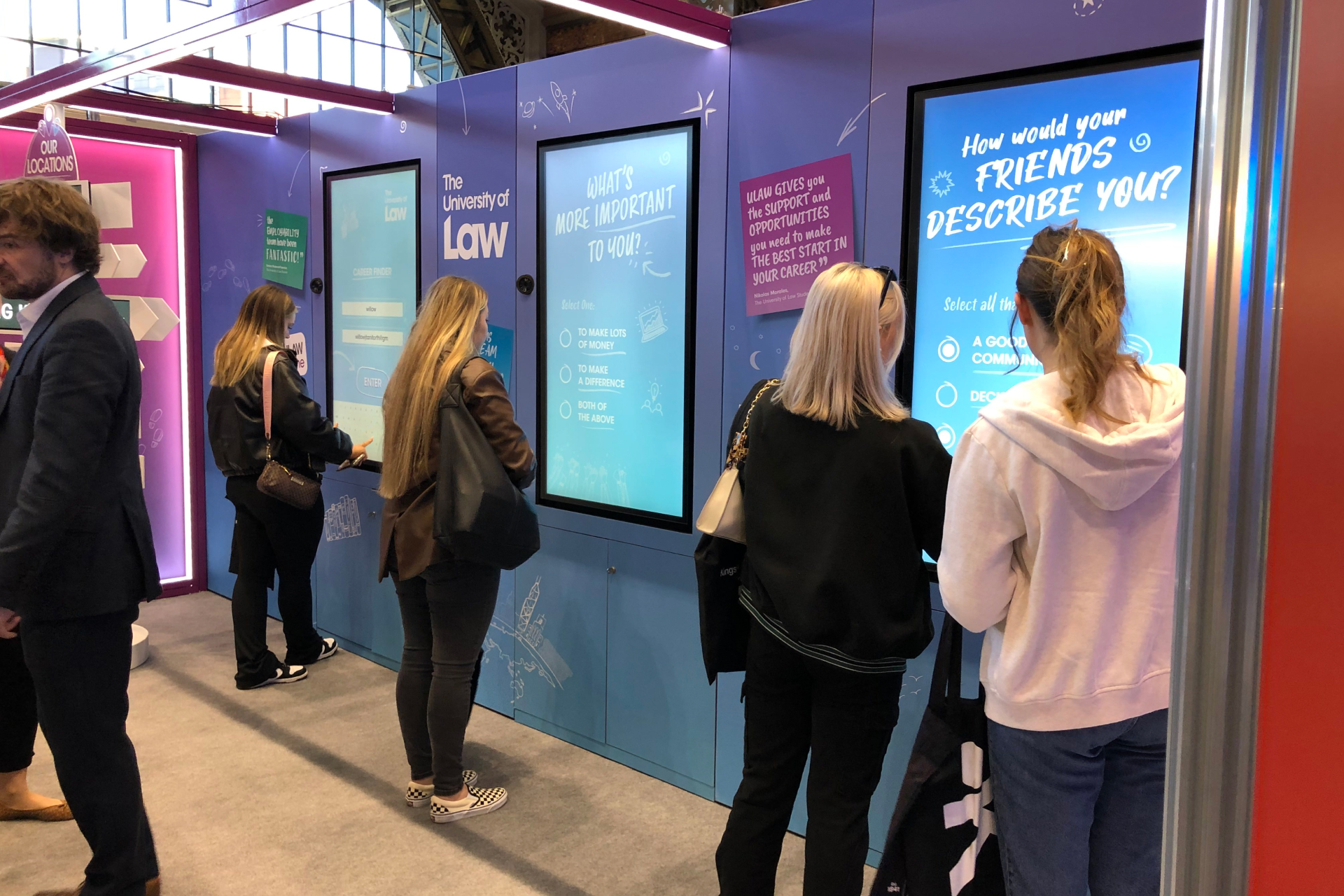
Future: the road ahead for exhibition stands
Pushing architectural and technological boundaries
The future of exhibition stand design sits where architecture, technology and customer experience meet. We expect hybrid stands with seamless transitions between physical and digital, greater use of AI for highly personalised experiences, and sustainability at the heart of every design.
From engagement to immersion
The future takes engagement further, creating immersive environments that adapt to each visitor in real time. Using data, connected devices and AR and VR, stands will be able to recognise what interests a visitor and adjust visuals and sound to tell the brand story in a way that suits them.
- Highly personalised environments: Advances in artificial intelligence, machine learning and data analytics will let exhibitors create experiences tailored to each person. Imagine walking into a booth that recognises you and adjusts its displays, lighting and even scent to suit your preferences.
- Interactive and responsive displays: Future stands are likely to include high-resolution displays that change content in real time as visitors interact with them.
- AR and VR: Augmented reality (AR) and virtual reality (VR) will add layers of immersion, letting visitors put on a headset and interact with products or services in a highly realistic virtual space.
- Sensory engagement: Immersive experiences will go beyond the visual to engage every sense. Directional sound can deliver a product's story or the brand's message directly to visitors as they move through the space, while scent and touch can evoke emotions and memories that make the encounter more memorable.
- Extended reality (XR): XR, which combines AR, VR and mixed reality, is set to redefine immersion. Entire stands could operate within an XR platform, blurring the line between physical and digital and opening up almost limitless creative possibilities.
Connectivity before the event
Better connectivity will create a richer pre-event experience. Visitors will be able to explore stand previews online, book appointments and join forums and webinars. The line between digital campaigns and the physical stand will blur, delivering a consistent brand message from the first email to the show itself.
Long-term engagement after the event
Post-event engagement will extend much further. Virtual platforms will let the exhibition experience continue long after the show closes, with exclusive content, ongoing conversations on social media and live streams, and integration with year-round marketing.

Frequently asked questions
How has exhibition stand design changed?
Stands have moved from heavy, static displays focused on presentation to lightweight, modular and bespoke spaces built around brand storytelling, interactivity and data-driven follow-up.
What are the current trends in exhibition stand design?
Modular and reusable builds, sustainable materials, interactive technology such as touchscreens, games, AR and VR, immersive brand storytelling, and digital lead capture.
What will exhibition stands look like in the future?
Expect more personalised, immersive and sustainable stands that blend physical and digital experiences, using AI, extended reality and sensory design to adapt to each visitor.
Conclusion: what companies should focus on today
The evolution of exhibition stand design shows that innovation and adaptability are key. Companies need to:
- Embrace technology while staying rooted in the essence of their brand story.
- Invest in pre- and post-event strategies as much as the event itself.
- Keep engaging their audience with memorable, interactive experiences.
- Use data to shape future exhibition plans and personalised follow-up.
- Commit to sustainability, combining eco-conscious practices with cutting-edge design.
With these in mind, the future of exhibition stands promises to be as dynamic as the world around them. The only constant is change, and in that change lies the opportunity for brands to innovate and connect with their audiences in ways never imagined before.